
Capital Improvements
INVESTING IN THE FUTURE OF HOOKSETT
“NH currently faces a need of approximately $2.9 billion over the next ten years for upgrades, repairs and replacement of the infrastructure we have built to manage, clean and deliver water, retain and store water, and manage storm water...the federal and state funding that built these systems is available now in only a small fraction of the historical amounts. Failures of these systems will disrupt the state’s economy and damage its quality of life.”
It’s no secret that many old water systems in towns throughout the U.S. are in need of significant investments to stabilize and upgrade their infrastructure. While it is currently a source of local pride and independence, the system here in the Village was founded in 1941 and is therefore also vulnerable to issues associated with aging assets. The Water Commissioners are committed to proactively addressing this aging infrastructure, and to improving the system for both growth and sustainability.
The Precinct identifies infrastructure vulnerabilities and associated costs in annual updates to its 10-year Capital Improvement Plan (CIP). The current CIP focuses on the most pressing and important infrastructure needs identified by the State as requiring immediate attention. Those needs include tank replacement, new source development, emergency connection(s), meter upgrades, and water main and pump house improvements. The Precinct frequently provides detailed overviews of CIP issues in public informational sessions and meetings. To schedule a session, please contact our office.
The first steps in addressing the critical CIP needs are being completed. Finishing the job, however, will require a significant long-term financial commitment. The Precinct has always prided itself on providing affordable service, and is committed to continuing to do so while also properly planning for a strong future relative to funding. The Water Commissioners believe we can effectively complete the CIP tasks in the coming years through a creative combination of trust fund reserves, land leasing revenues, low-interest loans, grants and modest annual rate/fee updates.
“Water is our most valuable natural asset, and if we manage it well, our water offers New Hampshire a competitive advantage. It supports and is vital to a healthy environment, individuals, communities and the state economy. In short, New Hampshire lives on water.”
MANAGING OUR MOST VALUABLE ASSETS
“The ultimate goal of using asset management is to create a shift from “reactive” management of a community’s assets to “proactive” management, thereby increasing the impact of community water infrastructure investments. This is an important step toward building sustainable communities.” - NH Department of Environmental Services
Asset management is an approach to operating and maintaining a water system cost-effectively while maintaining a level of service that is acceptable to customers and sustainable over the long-term. This approach helps decision-makers plan for the care of aging assets. The Precinct follows this approach to ensure that our residents get the most value from their water system assets and that we have the resources to rehabilitate and replace those assets as needed.
The Precinct integrates its asset management approach with its CIP updates. The first step in that integration process is to develop an asset management plan. An asset management plan includes an inventory and analysis of critical assets such as hydrants, valves and mains, as well as an evaluation of asset maintenance costs and long-term funding strategies. This information is a powerful addition to the CIP toolbox.
The Precinct completed its first formal asset management plan in June 2020. The plan built upon extensive system assessment, rate review and capital improvement studies undertaken beginning in 2016. This project also included total hydrant flow testing, GIS and SCADA systems development with aerial drone mapping, the adoption of a fixed asset policy, and the location of many missing and buried valves.
In 2021, the Precinct updated its asset management plan. The update included additional flow testing, a water supply/storage evaluation, the development of a detailed hydraulic model of the water system and an assessment of critical mains and service areas. An additional update was completed in 2022, including a detailed "water audit" and inventory of vertical system assets such as pump stations and storage tanks.
Together, the Precinct’s Asset Management and Capital Improvement Plans lay out estimated system costs for the next 20-25 years. Projecting forward to a major asset life span of 100 years, the refurbishment & replacement life costs as currently understood are likely to exceed $76M.
Generating capital project revenue of that magnitude is a significant challenge for a small municipal utility. However, integrating the asset management recommendations into the CIP streamlines long-term maintenance efforts and ultimately reduces costs. Affordability and excellent service are the goals of the Precinct, and both will be achieved through the use of a creative blend of internal and external funding sources.
Over the past few years, we have demonstrated the success of this funding and infrastructure maintenance strategy through the completion of several critical water system projects. Those projects have included:
- New 400KG Water Storage Tank & Demo of Old 200KG Tank
- Replacement of Old Undersized AC Mains & Installation of New 12-Inch Water Transmission & Distribution Mains
- New 1MG Water Storage Tank & 12-Inch Water Main I93 Crossing
- System-Wide SCADA Installation & Upgrades (Real-time Monitoring/Alarms for Level, Pressure, Flow, etc.)
- GIS Mapping, Aerial Drone Survey & System-wide Hydrant Flow Testing
- Lilac Bridge 12-Inch Water Main River Crossing
- Complete Systems Updates at North, South and East Pump Stations
- In-House Replacement & Upgrade of Highland Street Water Main
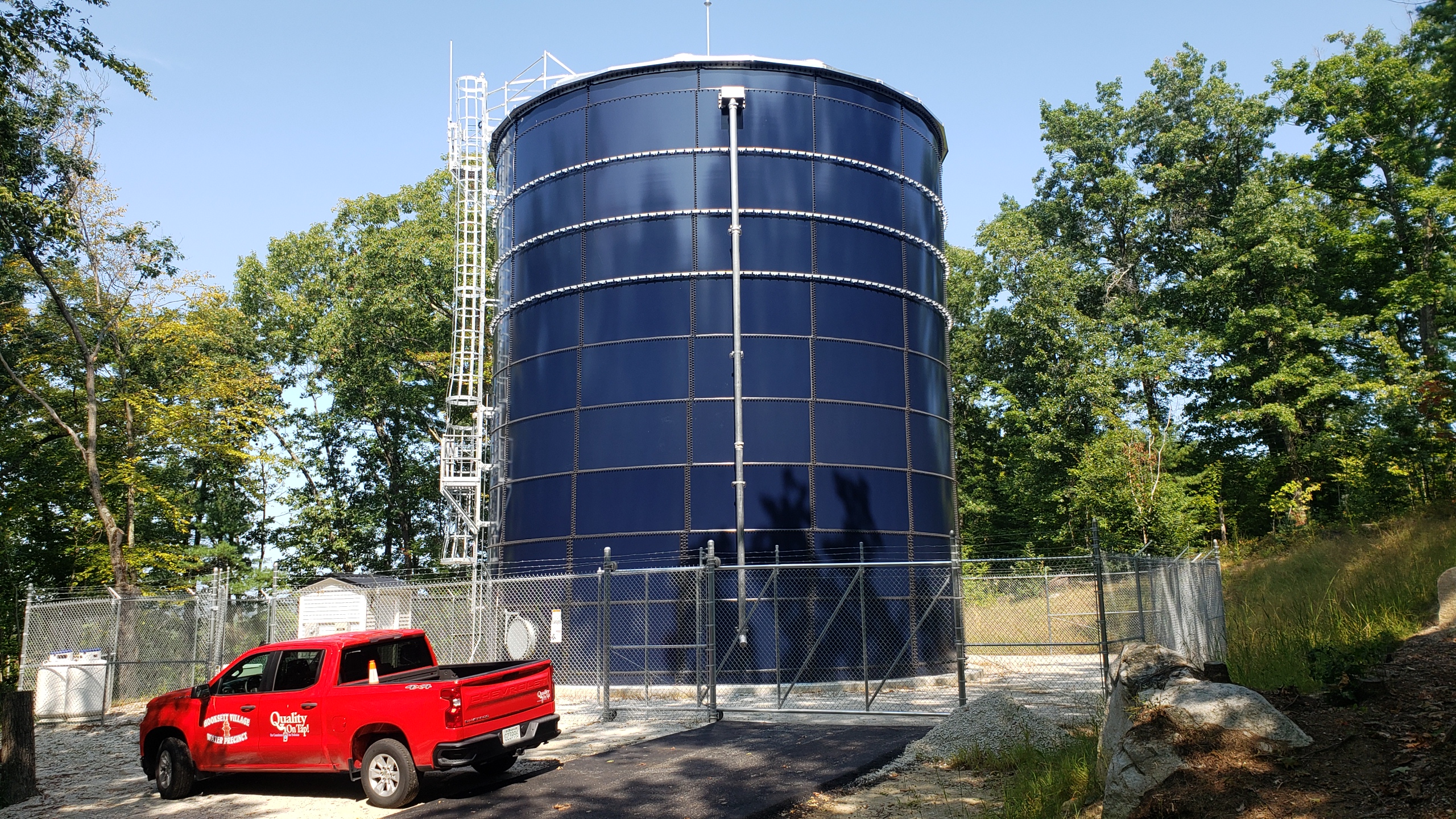
Thompson Corner Tank, 2024
(400KG Glass-Fused-To-Steel)
 (opens in a new tab)
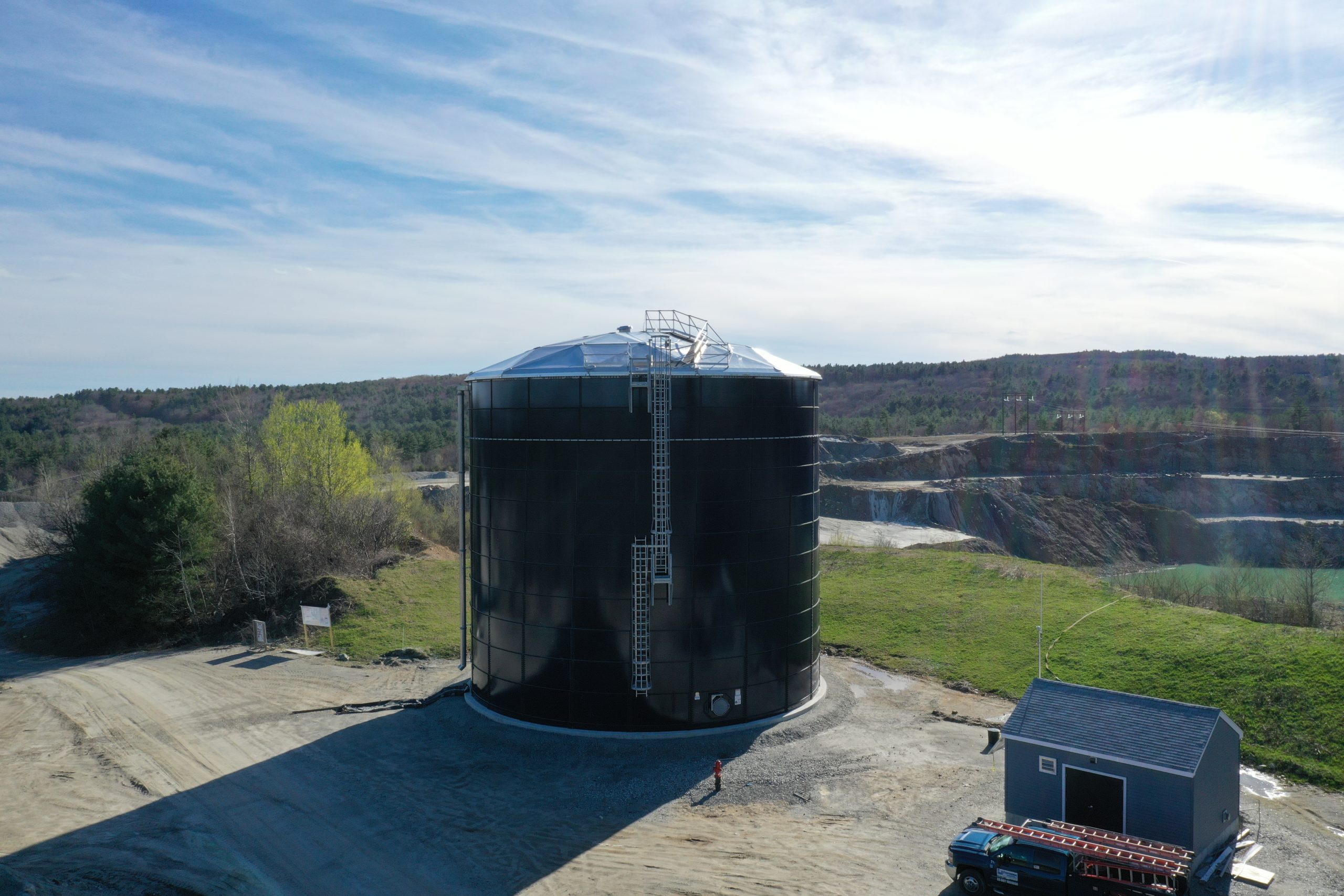
West (Quarry) Tank, 2019
(1MG Glass-Fused-To-Steel)
 (opens in a new tab)
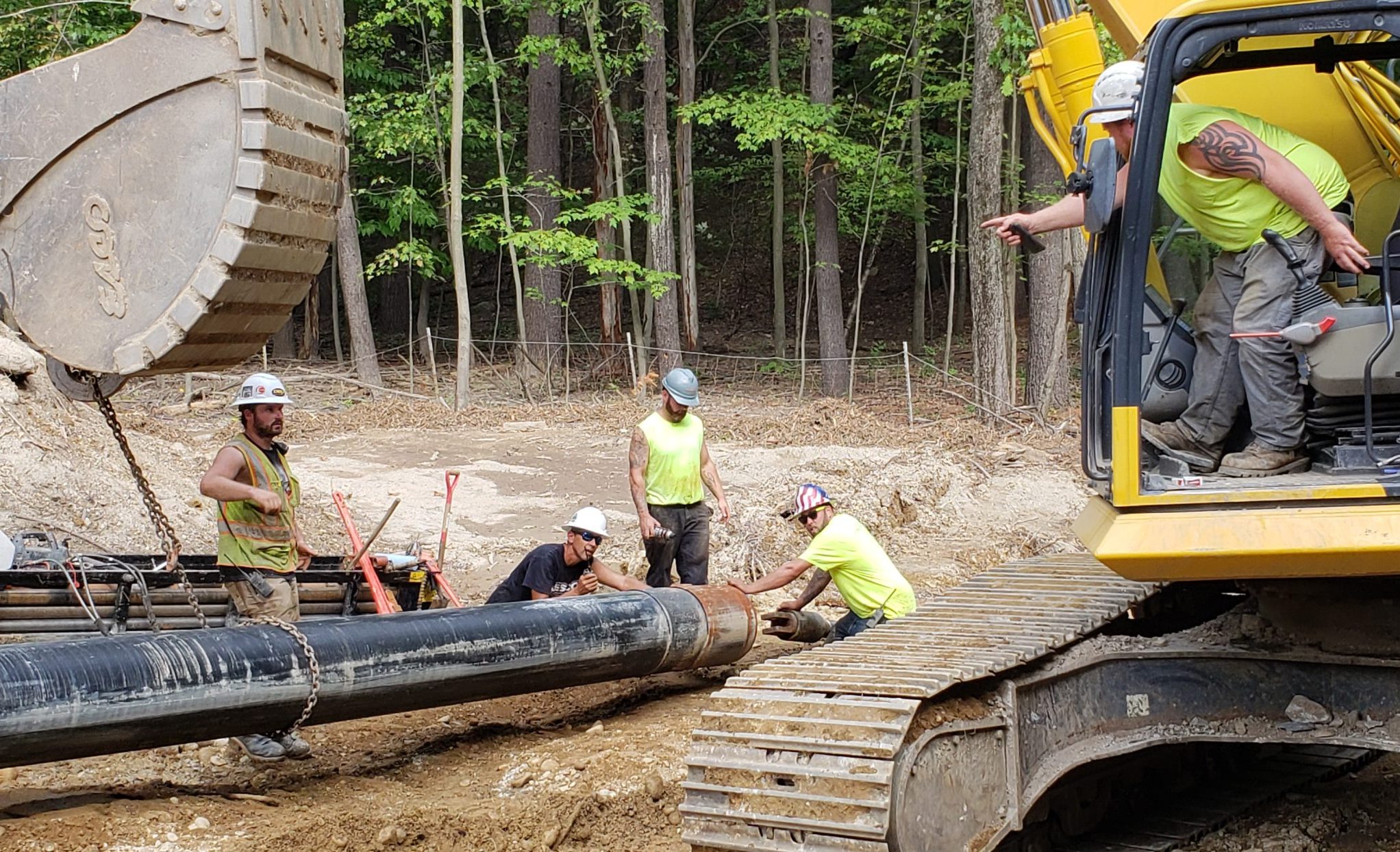
Directional Drill Under I93, 2018
(12" HDPE Water Main)
 (opens in a new tab)
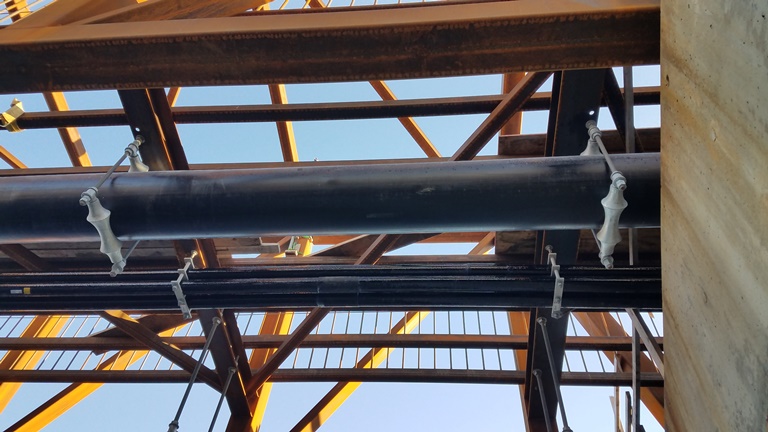
Lilac Pedestrian Bridge, 2017
(12" HDPE Water Main)
 (opens in a new tab)
Pump Station Rehab, 2019
(South Wells & Treatment Plant)
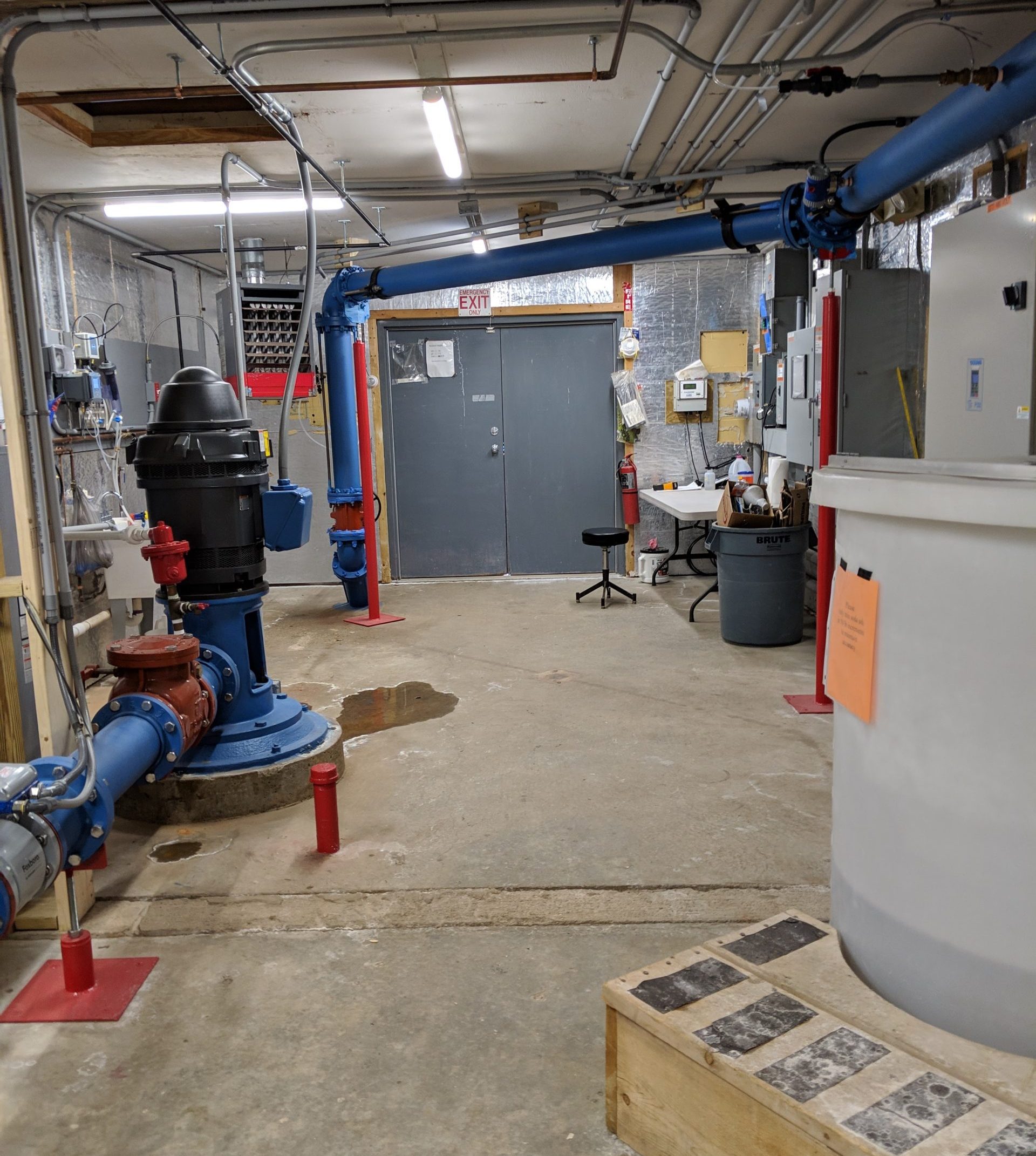 (opens in a new tab)
Highland Street Upgrade, 2024
(8" PVC Water Main)
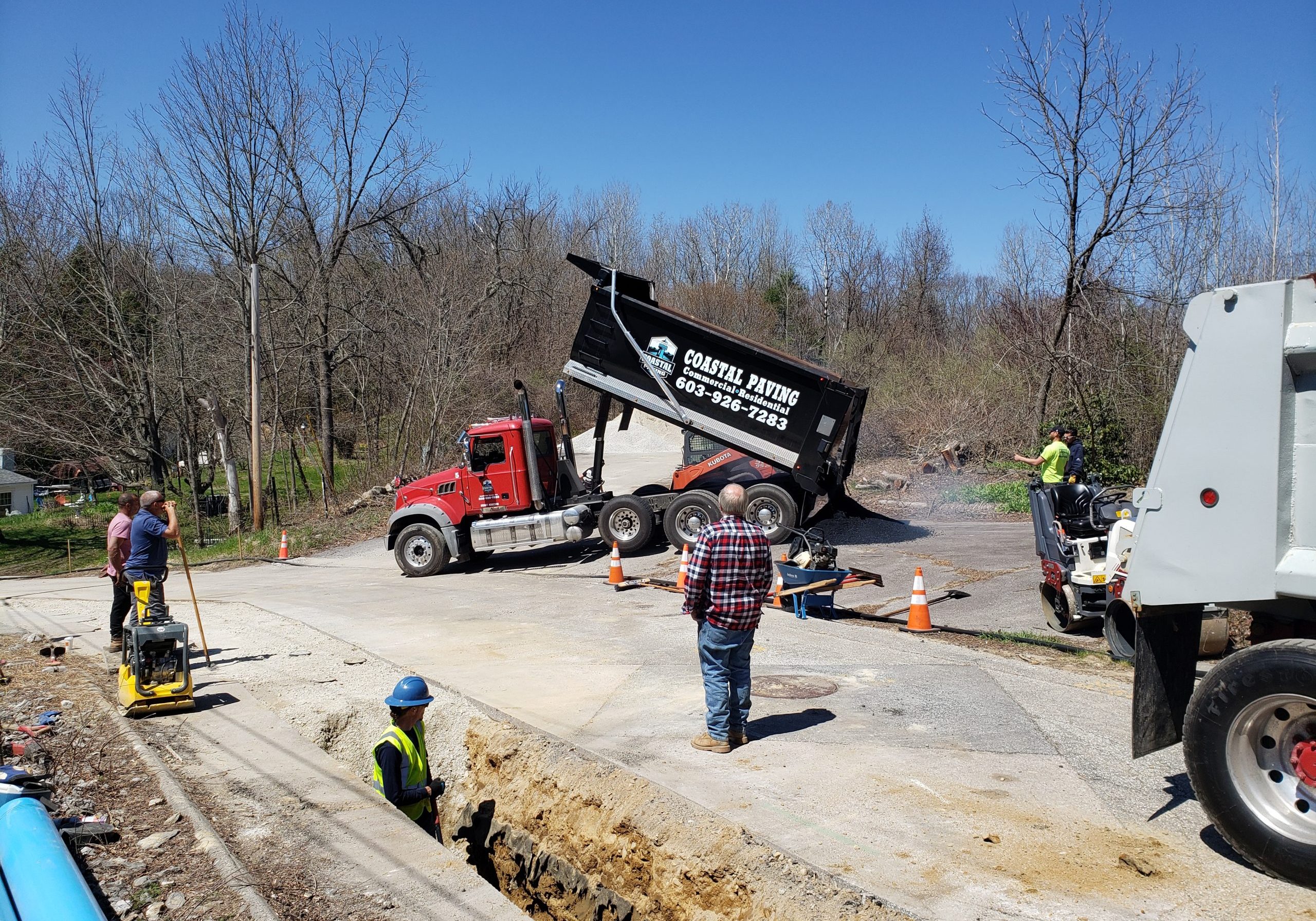 (opens in a new tab)
Cross Rd. Water Main Tee, 2023
(TIF Contract #2)
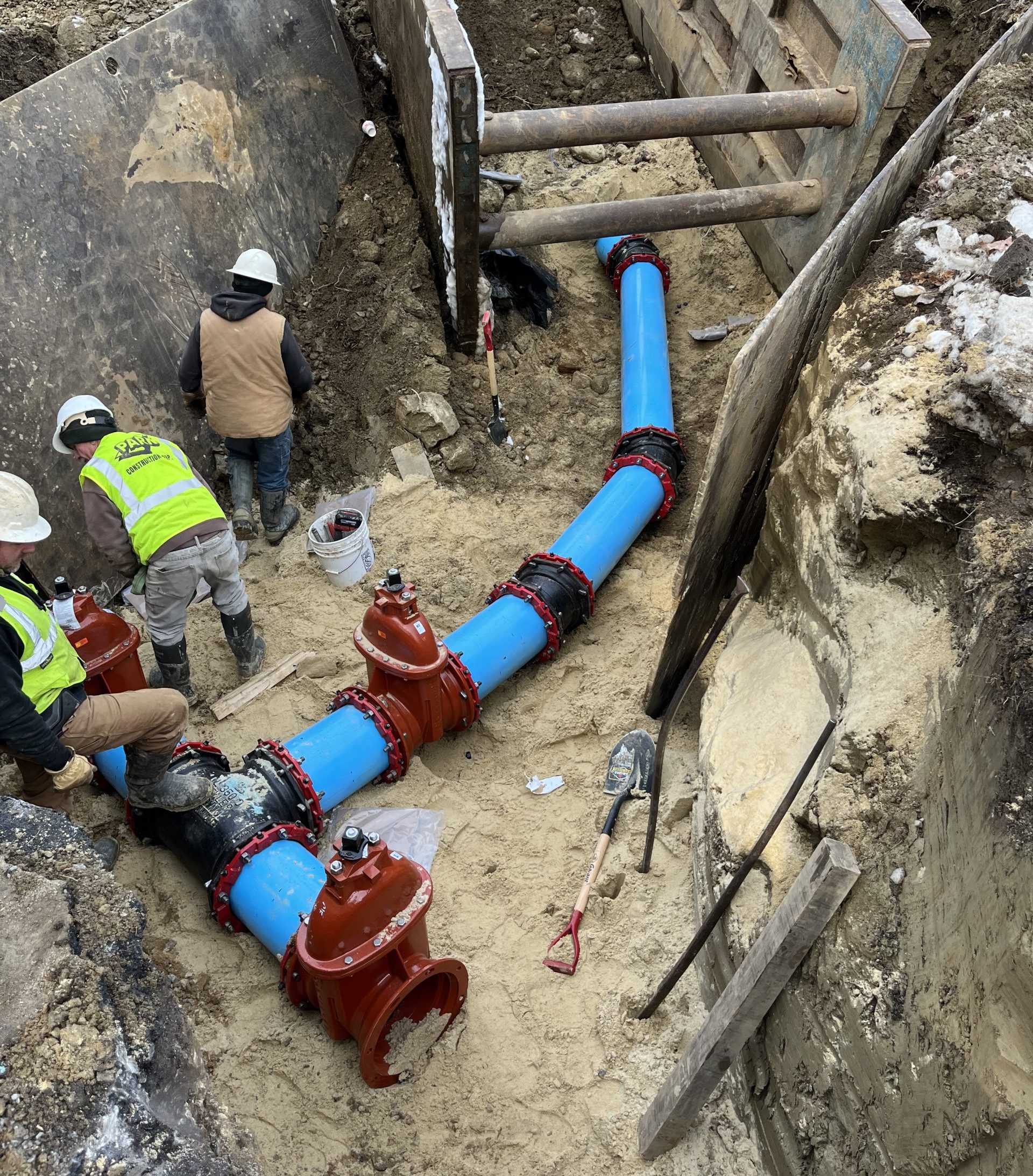 (opens in a new tab)
Hydrant by Sewer Pump Station, 2024
(TIF Contract #2A)
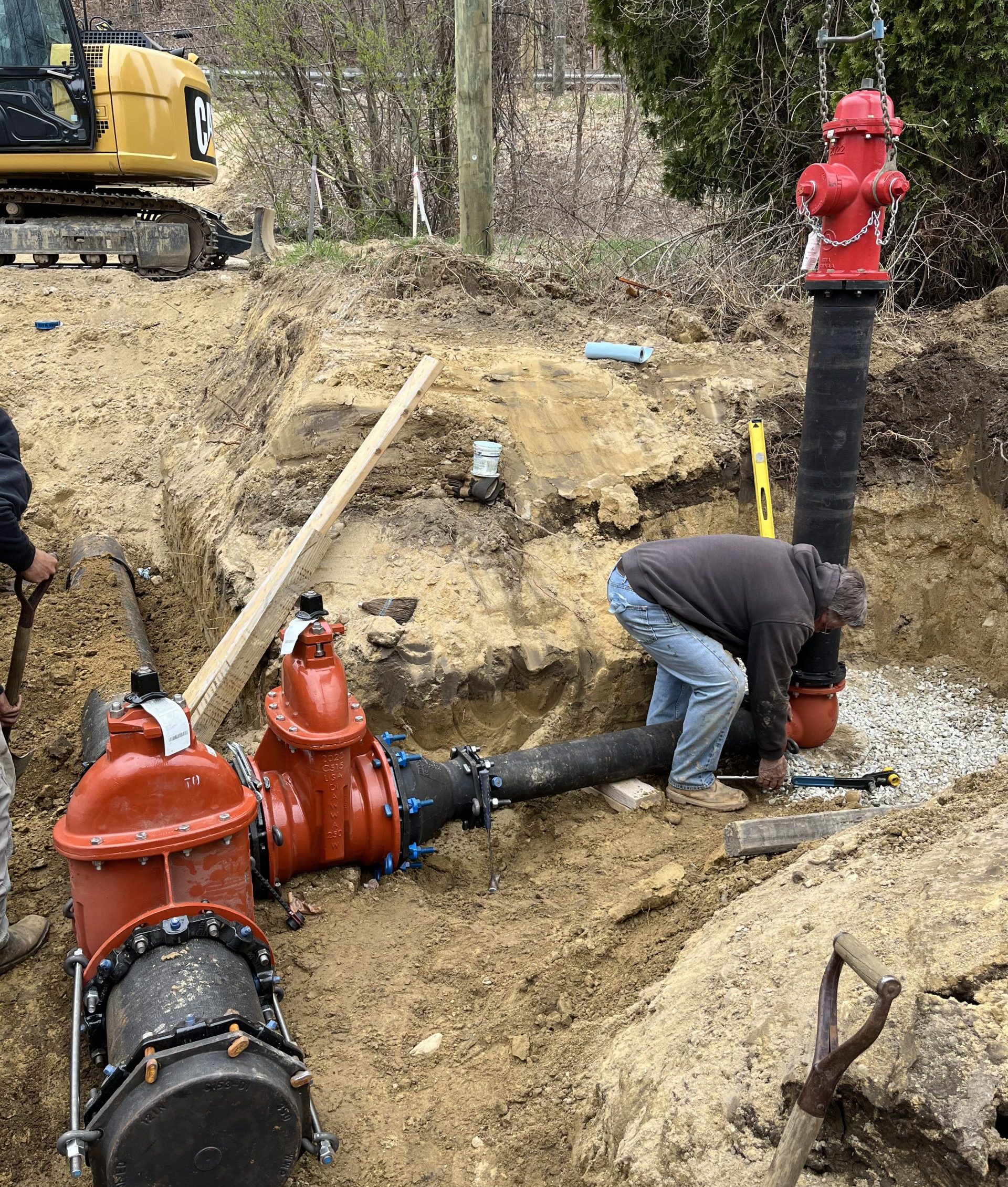 (opens in a new tab)
The Highland Street project in particular was an inflection point for the Precinct, marking a new period in which our staff have the capability and availability to complete infrastructure projects of significant scale rather than contracting the work out. This method saved local ratepayers over $300K, which was pivotal in completing the project at all due to funding competition from other projects within the Village and throughout the state. The success of this project has spurred a "can-do" attitude that has been repeated for in-house water main and service break response and water service line inventory efforts. This approach will continue moving forward.
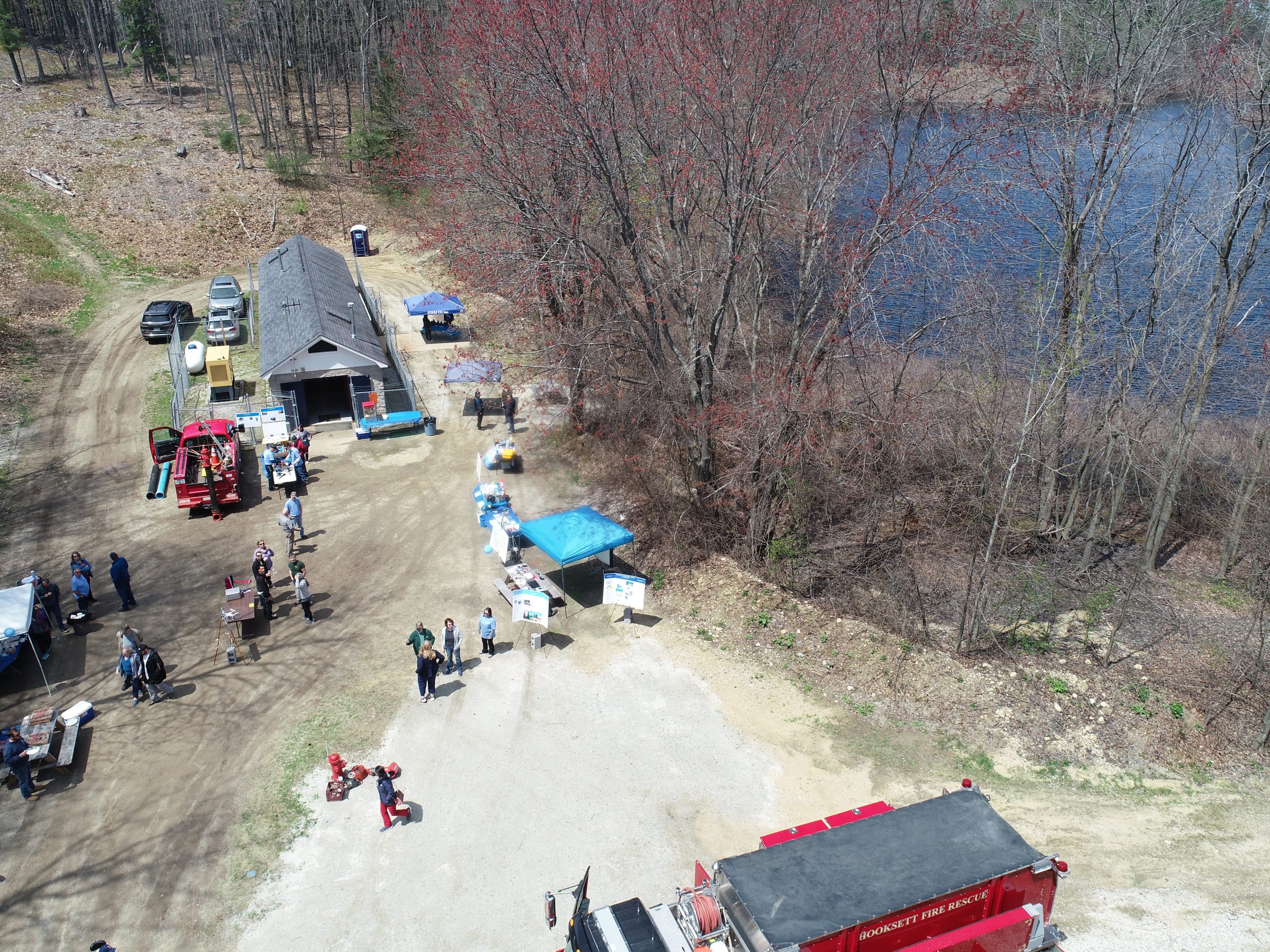
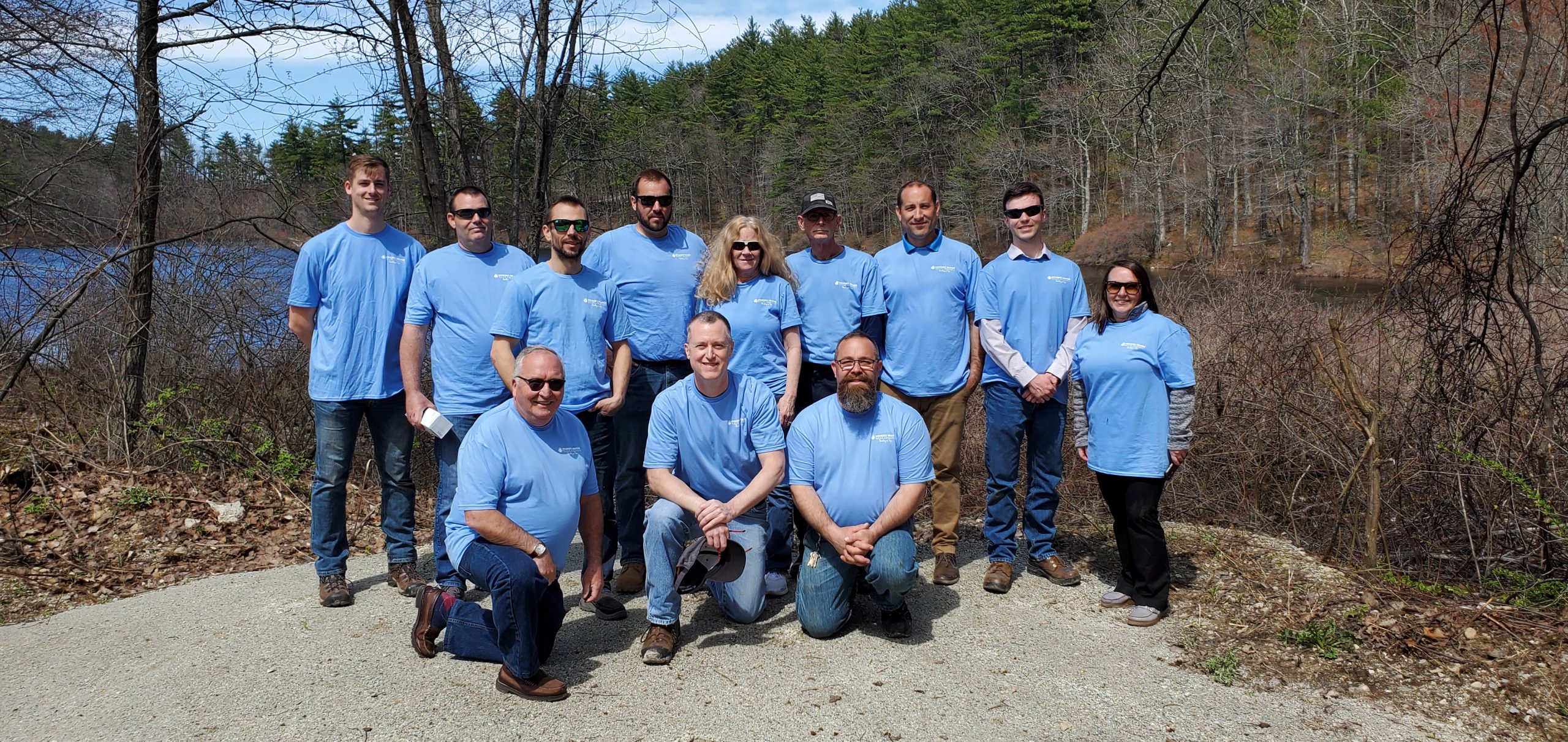
If you'd like to see or learn more about these projects, please feel free to contact our office. We'd be happy to meet with you or set up a field tour.
Recently, the Precinct has been partnering with the Town, Sewer Commission, local businesses, committees, residents and area developers to encourage infrastructure projects that benefit the whole community by attracting new development, revitalizing blight, and/or enhancing quality of life. This can significantly expand the local tax base and provide more or easier access to services for residents, with less financial impact.
We have completed three major drinking water projects for the RT3A Tax Increment Financing (TIF) District economic development initiative sponsored by the Town of Hooksett. These projects are:
- Phase 1 Tank Construction Project (~$2.4M): Includes installation of a new state-of-the-art 1MG glass-fused-to-steel tank at an innovative location in an active quarry just north of the TIF District, to increase total storage capacity and provide engineered redundancy. Also includes the construction of 0.4 miles of new 12" transmission main, with 400' of directional drilling below a busy and wide section of Interstate 93 and in a challenging geologic environment.
- Phase 2 Tank Construction Project (~$2.6M): Includes the replacement of the 0.2MG Thompson Corner Tank on the Daniel Webster Highway with a new 0.4MG glass-fused-to-steel tank, to further increase storage capacity, remove a significant financial and safety liability, and optimize the hydraulic grade line. Also includes 0.6 miles of transmission and distribution system improvements to more effectively connect the two new tanks to the major arteries of the water system, and remove old, undersized asbestos-cement (AC) pipe.
- RT3A TIF Infrastructure Project (~$8.2M): Includes the construction of 1.5 miles of new/upsized 12" distribution main as part of an innovative agreement between the Town, a developer, the Precinct and the Sewer Commission, to promote growth and improve "looping," which improves water flow and quality. Also provides a starting point for a southern river crossing to further improve flow and quality, the next major planned infrastructure project for the Precinct.
We need your support! To continue providing safe, secure drinking water and fire protection, the Precinct will need residents, officials, builders, funders and other stakeholders to keep working with us as we seek to promote a better understanding of critical water infrastructure resources and needs. Working together, the future remains bright. Thank you for your consideration.
HELPFUL LINKS:
HVWP Capital Improvement Documents
HVWP CY2026 10YR CIP Summary
HVWP CY26 Budget Summary w attachments
HVWP Warrant for 2026 Annual Meeting
2022-23 ARPA-TIF-Trust Fund Water Infrastructure Project Info Summary
HVWP Asset Management Brochure (current)
HVWP Asset Management Plan (2020)
HVWP Water Supply Assessment (2020)
HVWP Asset Management Plan Update (2021)
HVWP Comprehensive Asset Management Plan (2022)
Broad Trends & Strategies
AWWA’s “Buried No Longer: Confronting America’s Water Infrastructure Challenge”
“Drinking Water Infrastructure in NH: A Capital Investment Needs Analysis”
NHPR’s The Exchange: “NH's Aging, Underfunded Infrastructure”
NH Water Sustainability Commission Report
NHDES Asset Management Program